Xania Monet Sweeps First AI Music Awards as Industry Divide Over Artificial Intelligence Deepens
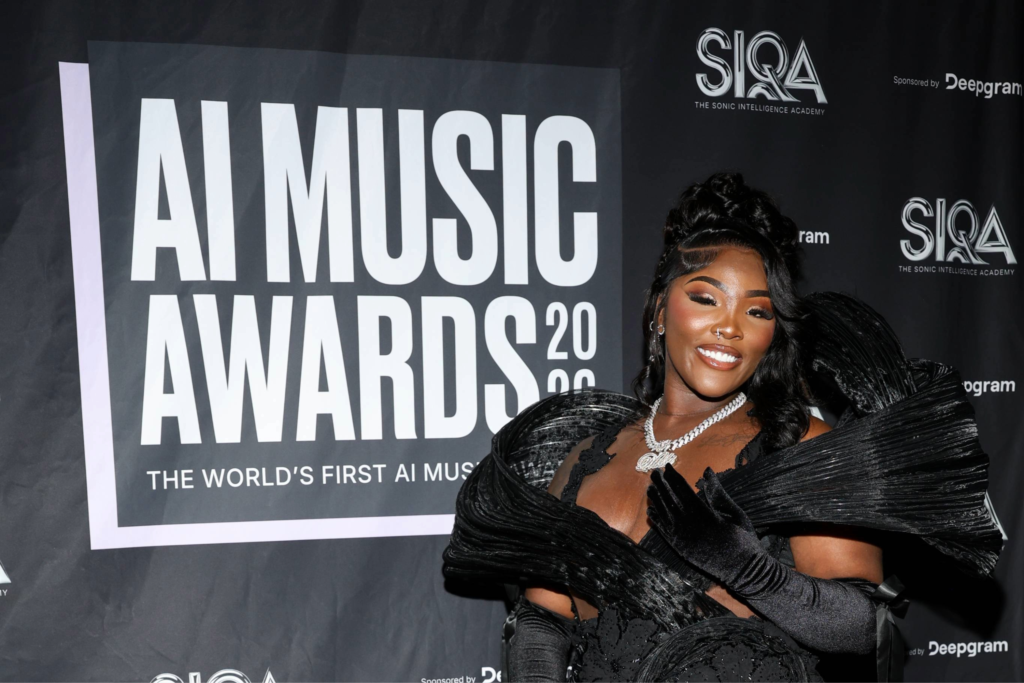
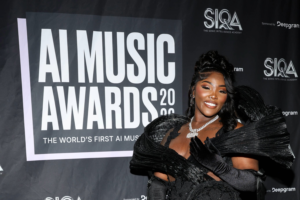
The first AI Music Awards ended in Los Angeles with a clean sweep for Xania Monet, an AI-generated R&B artist. She took three of the four headline prizes at the ceremony at the Mayan Theatre on Friday. The event honoured songs created wholly or partly with artificial intelligence, and the people behind them.
Monet won artist of the year, song of the year for “How Was I Supposed to Know?” and album of the year. The fourth major award, producer of the year, went to DJ Shawn Q.
A creator behind the avatar
Monet is the creation of Telisha “Nikki” Jones, a Mississippi poet who says she writes every lyric herself and uses AI software to turn them into finished recordings. The project has become one of the most prominent examples of the technology in commercial music.
“How Was I Supposed to Know?” was the first song from an AI-based act to appear on a Billboard radio chart. Jones was also reported to have signed a recording contract worth about $3 million, a deal that drew public criticism from singer Kehlani.
Speaking before the ceremony, Jones said AI music is something people will have to get used to. She described the technology as a tool and said she did not expect it to disappear soon. She also said she was not concerned that the technology might undermine her pursuit of industry legitimacy.
Nominees point to the human effort involved
Several nominees said they had stories to tell but lacked the technical skills to realise them musically. For them, AI filled that gap. Many also said they hoped the awards would show audiences that real people stand behind AI-assisted work.
Nominee J Frequency said the effort that goes on behind the scenes is considerable and often underestimated. The comment reflects a common complaint among AI music creators, who say their work is dismissed as push-button output.
Opposition from working musicians
That view is far from universal. Many working musicians argue that AI-generated tracks make it harder for human artists to gain visibility and take work from producers, singers, engineers and songwriters. The field has already been the subject of lawsuits, even as AI-assisted tracks have accumulated millions of streams and reached the charts.
Although algorithmic tools have played a role in music-making for decades, recent advances in generative AI have sharpened the debate. Systems that can produce vocals and full arrangements from text prompts have created digital pop stars, and the industry remains split over whether they represent innovation or a threat.
A bumpy first outing
By most accounts the evening was uneven. Reports described delays, microphone problems and issues with lyric synchronisation during performances, hardly unusual for a first-year production but notable given the event’s focus on technology.
Organisers had promoted the ceremony as the first of its kind, with 25 award categories and a venue capped at roughly 600 seats. The line-up included live appearances by AI acts, a format that raised questions about what a “live” performance means when the performer is a generated avatar.
What comes next
The awards give AI music a formal platform at a time when the technology’s place in the industry remains unsettled. Whether the ceremony grows into a recognised fixture or remains a niche event will depend largely on how the wider industry responds. Record labels, streaming platforms and established awards bodies are still working out how to treat AI-generated and AI-assisted work.
For now, the result is a symbolic milestone. An artist who exists only as a digital creation has won the top honours at an awards show built around her, and the argument over whether that counts as music is far from settled.