Is Mudvayne Satanic? What the Band’s Frontman Has Said
Few bands have sparked as much confusion over their intentions as Mudvayne, with even close fans questioning if they are satanic or not. With face paint, masks, and unsettling stage names, the Peoria, Illinois nu-metal outfit built an image in the late 1990s and early 2000s that made plenty of parents — and casual listeners — assume something sinister was going on. So, is Mudvayne actually a satanic band? The short answer is no, but the reasons why are worth unpacking.
Where the reputation comes from
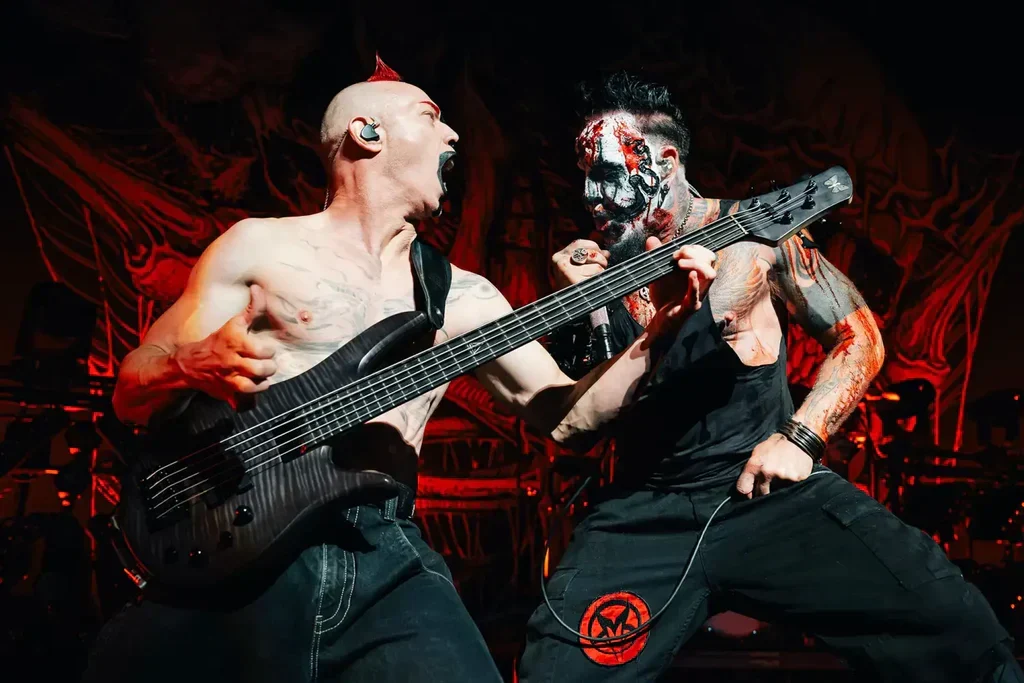
Mudvayne formed in 1996 and broke through with their 2000 debut album L.D. 50, driven by the single “Dig.” From the start, the band leaned hard into visual theatrics: elaborate face and body paint, uniform-style outfits, and alter-ego stage names for each member. Combined with aggressive vocals and dark, industrial-tinged production, it’s easy to see why the band got lumped in with “shock rock” acts that trade on demonic or occult imagery. Visually, there’s an obvious overlap with bands people do associate with satanic themes, and that guilt-by-association has followed Mudvayne for decades.
What the band members have actually said
The band’s frontman, Chad Gray, has spoken openly about his personal beliefs, and they don’t line up with satanism at all. He’s described himself as spiritual rather than religious, saying he believes in something larger than himself but rejects organized religion’s judgmental side. He’s even said he tries to live by principles similar to the Ten Commandments — hardly the worldview of someone pushing a satanic agenda. Nothing in the band’s public statements, lyrics, or interviews over nearly three decades points to devil worship or occult practice as a genuine belief system.
The face paint was never about devil worship
The band’s visual identity was about theatre and anonymity, not religion. Adopting alter-ego personas and painting their faces let the members create a heightened, almost comic-book version of themselves on stage, something that let the music and performance feel bigger than the individuals behind it. This is a tradition nu-metal and shock rock have used for years, from other painted or masked acts to shock-driven arena rock long before them. It’s theatrical costuming, not liturgy.
Lyrics that explore darkness, not worship it
Mudvayne’s songs frequently dig into themes like inner turmoil, mortality, rage, and existential dread. That’s a hallmark of heavy music generally, and exploring dark subject matter in art is not the same as promoting a religious ideology. Plenty of metal bands write about death, chaos, and suffering as a way of processing real human experience, not as devotional material for any belief system, satanic or otherwise.
The bottom line
Mudvayne is not a satanic band. Their unsettling stage image was a calculated artistic choice designed to create spectacle and mystery, not a signal of religious belief, and the closest thing to a public statement of faith from the band points toward personal spirituality, not devil worship. Like many heavy metal acts before them, Mudvayne learned that dark imagery sells tickets and albums, and that a shocking look isn’t proof of a hidden agenda.