Top 100 Male Country Singers of All Time: The Voices That Built Nashville and Beyond
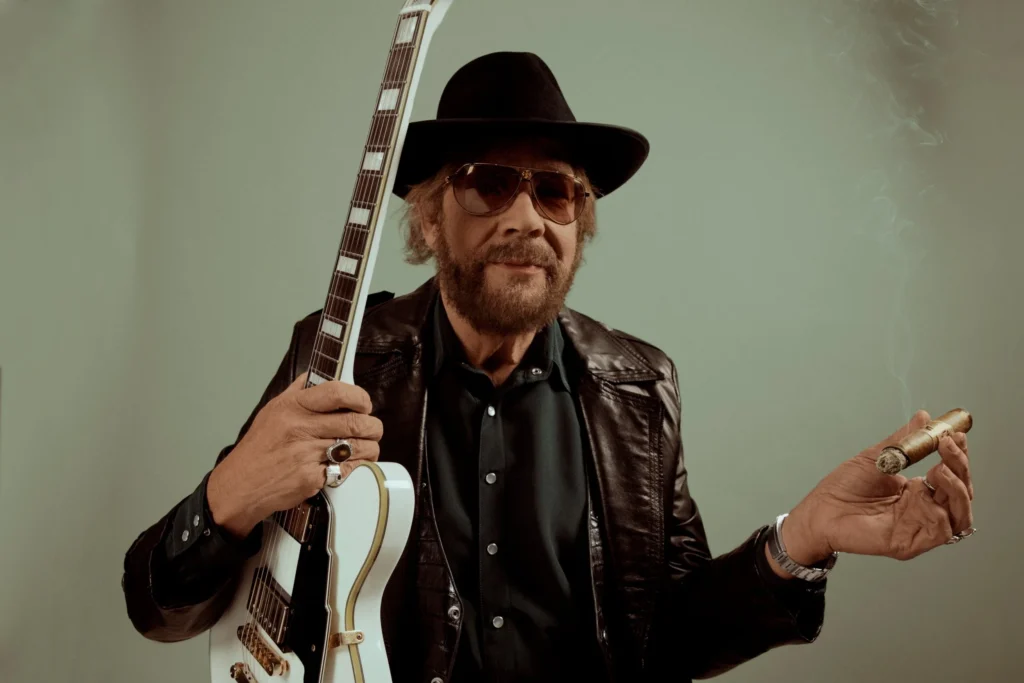
Ranking the top 100 male country singers of all time is the kind of project that starts friendships and ends them, because nobody agrees on where Hank Williams stops and Garth Brooks begins. Still, a list has to start somewhere. This one runs by era rather than by strict numbering, since you can’t fairly rank a 1930s yodeler against a stadium act who sells out three nights at a time.
Country music began as the sound of rural America, and the first generation of stars made it a business. Jimmie Rodgers, the “Singing Brakeman,” gave the genre its first real recording career. Hank Williams then wrote the songbook everyone else has been borrowing from ever since, and he did it in about six years before dying at 29. His shadow falls across almost every name below.
The pioneers and honky-tonk founders: Jimmie Rodgers, Roy Acuff, Bill Monroe, Gene Autry, Ernest Tubb, Hank Williams, Eddy Arnold, Red Foley, Hank Snow, Lefty Frizzell, Webb Pierce, Carl Smith, Faron Young, Ray Price, Marty Robbins, Jim Reeves, Porter Wagoner.
The next stretch, from the 1950s through the early 1980s, is where the genre gets its heavyweights. Johnny Cash made rebellion sound dignified. George Jones, often called the greatest country vocalist who ever lived, could break your heart with a single held note. Merle Haggard wrote about working men and prison yards from experience, while Waylon Jennings and Willie Nelson walked away from Nashville’s polished formula and came back as outlaws with the leverage to prove they’d been right.
The golden era and the outlaws: Johnny Cash, George Jones, Merle Haggard, Buck Owens, Waylon Jennings, Willie Nelson, Kris Kristofferson, Glen Campbell, Charley Pride, Conway Twitty, Charlie Rich, Kenny Rogers, Tom T. Hall, Jerry Reed, Roger Miller, Don Gibson, Bobby Bare, Jerry Lee Lewis, Johnny Paycheck, Ronnie Milsap, Mickey Gilley, Hank Williams Jr., Don Williams, John Denver, Gene Watson, Moe Bandy, John Anderson, Vern Gosdin, Earl Thomas Conley, Mel Tillis.
Then came the reset. In the mid-1980s a wave of “new traditionalists” brought the fiddle and steel guitar back, led by Randy Travis and George Strait, whose run of hits is so consistent that “King George” has never needed to chase a trend. Garth Brooks arrived at the end of the decade and turned country into an arena business, selling albums on a scale few genres have ever matched. The 1990s belonged to hat acts, line dances and a lot of very good songwriting.
The neotraditional and 90s boom: George Strait, Randy Travis, Garth Brooks, Alan Jackson, Vince Gill, Clint Black, Travis Tritt, Dwight Yoakam, Keith Whitley, Ricky Skaggs, Joe Diffie, Tracy Lawrence, Tim McGraw, Kenny Chesney, Toby Keith, Ronnie Dunn, Billy Ray Cyrus, Aaron Tippin, Collin Raye, Mark Chesnutt, Sammy Kershaw, Doug Stone, Trace Adkins, Steve Earle, Marty Stuart, Randy Owen, Rodney Crowell, Chris LeDoux, Lyle Lovett, Lee Roy Parnell.
Keith Whitley deserves a special mention here. He died at 33, yet his influence on how male country singers phrase a ballad is still easy to hear.
The modern era is the hardest to judge, because careers are still being written. Some of these artists dominate streaming and radio, while others, like Sturgill Simpson, Tyler Childers and Jason Isbell, have won over fans who would never have listened to country a generation ago. Chris Stapleton may be the closest thing today to a pure vocal talent in the George Jones mould.
The modern generation: Brad Paisley, Keith Urban, Blake Shelton, Luke Bryan, Jason Aldean, Dierks Bentley, Eric Church, Chris Stapleton, Zac Brown, Darius Rucker, Josh Turner, Gary Allan, Sturgill Simpson, Tyler Childers, Jason Isbell, Luke Combs, Morgan Wallen, Zach Bryan, Cody Johnson, Jelly Roll, Kane Brown, Thomas Rhett, Chris Young.
Any list like this leaves out names that someone will swear by, and that’s half the fun. Country has always been about taking sides, so tell us who you’d move up, who you’d drop, and who we forgot, because whatever your own top 100 male country singers of all time looks like, it will say a lot about the decade you grew up in.