Christian Dior: The Person Who Rebuilt Fashion From the Ashes of War
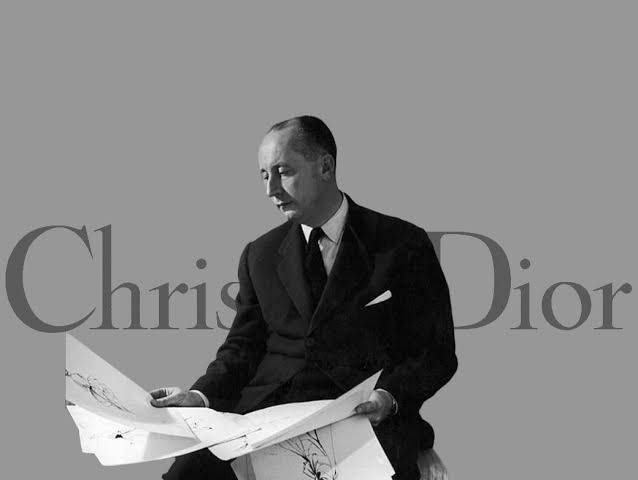
Christian Dior only had a decade at the helm of the house that bears his personal name, yet few designers in history have left as deep a mark on the way women dress. Born in 1905 in Granville, a windswept coastal town in Normandy, Dior grew up in a wealthy family that expected him to become a diplomat. He enrolled at the Paris Institute of Political Studies, but his heart was never in politics. Paris in the 1920s was intoxicating for a young man drawn to art, music and the emerging avant-garde, and Dior soon persuaded his father to bankroll a small art gallery instead, where he exhibited works by Picasso, Dalí and other artists who would later define the century.
That gallery collapsed along with much of his family’s fortune during the Great Depression, and a string of personal tragedies followed. Needing to earn a living, Dior turned to sketching fashion illustrations, selling them to magazines and couture houses for a few francs at a time. It was an unglamorous start, but it taught him the bones of design. By the late 1930s he was working for the milliner Robert Piguet and later for Lucien Lelong, refining a talent for silhouette and proportion that would eventually reshape postwar fashion entirely.
The turning point came in 1946, when the textile magnate Marcel Boussac backed Dior in opening his own house on Avenue Montaigne in Paris. The gamble paid off almost instantly. In February 1947, Dior unveiled his first collection, built around a nipped waist, rounded shoulders and a dramatically full skirt that used yards of fabric most designers wouldn’t have dared touch so soon after wartime rationing. Carmel Snow, the influential editor of Harper’s Bazaar, reportedly called it the “New Look” on the spot, and the name stuck. It was a deliberate rejection of the boxy, utilitarian wartime silhouette, a return to opulence and femininity that women, starved of luxury for years, embraced almost overnight.
Dior’s genius wasn’t confined to one silhouette. Over the following years he introduced the A-line, the H-line and the Y-line, treating the female form almost like architecture, each collection a fresh geometric idea. He was also a shrewd businessman, among the first couturiers to license his name for perfumes, stockings and accessories, a model that transformed fashion houses into global commercial empires rather than small ateliers serving a wealthy few. Within years, the House of Dior accounted for a significant share of France’s fashion export revenue, effectively helping to rebuild the country’s postwar economy.
His life ended abruptly in 1957, when he suffered a fatal heart attack while on holiday in Italy. He was only 52. Yet the house he built barely paused. A 21-year-old assistant named Yves Saint Laurent took over the studio, followed over the decades by Marc Bohan, Gianfranco Ferré, John Galliano, Raf Simons and, most recently, Maria Grazia Chiuri, each adding their own chapter while working within the vocabulary Dior invented.
Nearly seventy years after his death, Dior’s influence remains everywhere, from red carpets to bridal wear to the basic idea that a waistline can define an era. The New Look wasn’t just a hemline; it was a statement that beauty and extravagance could return after devastation. That idea, more than any single dress, is Christian Dior’s real legacy.