Why Did Jelly Roll Go to Jail: Inside the Country Star’s Arrests, Redemption and Biggest Music Hits
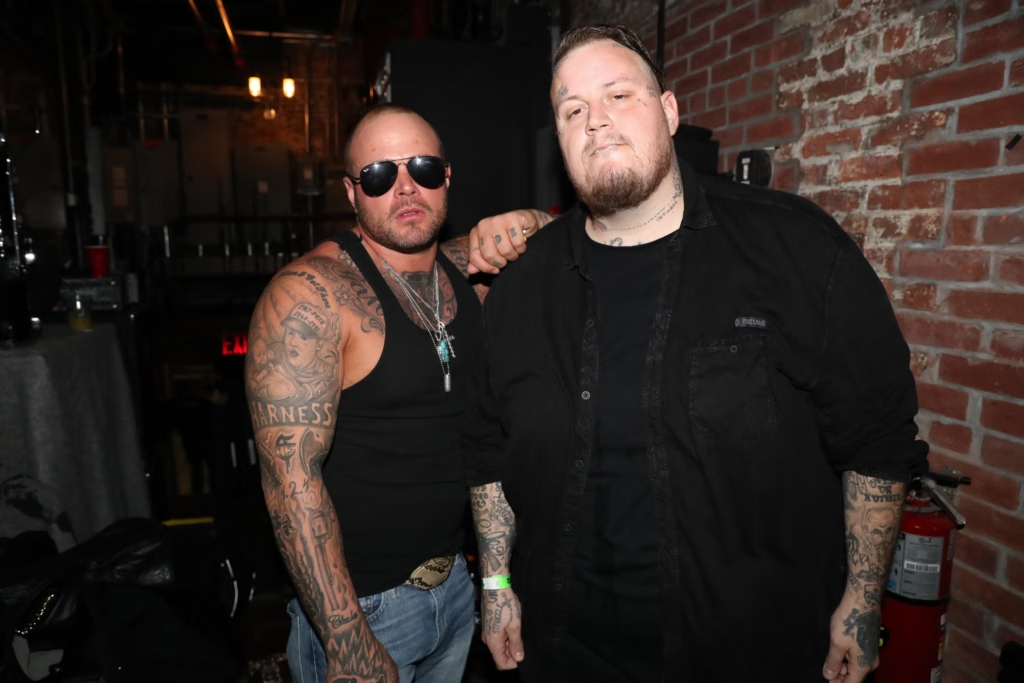
Fans of Jelly Roll know he spent time in jail, and many question why he was incarcerated. He was first locked up at 14 and cycled in and out of facilities for almost a decade, by his own count around 40 arrests, on charges including drug possession, drug dealing, shoplifting and aggravated robbery. The Nashville-born star, whose legal name is Jason DeFord, now fills arenas and stadiums, and his path from a cell to the top of the country charts is among the most talked-about stories in modern music.
Why Did Jelly Roll Go to Jail?
His most serious early charge came as a teenager. At 16 he was arrested for aggravated robbery and charged as an adult, after a robbery involving a gun over marijuana. He faced a potential sentence of up to 20 years, but he ended up serving a little over a year in jail and was given more than seven years of probation.
Trouble followed him into adulthood. At 23 he was incarcerated for dealing drugs, and he was soon moved to the education unit, where he earned his GED. His final release proved to be a turning point. On the day he walked out in 2008, he learned he had fathered a daughter, Bailee Ann, whom he first met on her second birthday.
Jelly Roll has never hidden any of this. In his 2023 documentary Jelly Roll: Save Me, he spoke openly about the roughly 40 times he went to jail. He has often tied that path to his upbringing: his father worked as a meat dealer and bookie, while his mother, who gave him his nickname, struggled with mental illness and addiction.
From Mixtapes to Mainstream
Music offered a way out. His work caught the attention of rapper Lil Wyte, who became a collaborator, and Jelly Roll then spent around five years living out of a van while he built a living from music. He grew a loyal following through a prolific run of independent mixtapes and albums that blended hip-hop, rock and country, long before Nashville took notice.
The mainstream breakthrough came in the early 2020s as he leaned into country. Songs such as “Son of a Sinner” and “Need a Favor” became signature hits, while “Save Me” and “I Am Not Okay” became anthems for fans dealing with addiction and mental health struggles. He draws directly on his criminal history in these songs, offering his story as proof that people can change their circumstances.
His rise brought a Grammy nomination for Best New Artist, major awards recognition, sold-out tours and a successful run of albums, including Whitsitt Chapel and Beautifully Broken. His Backroad Baptism tour cemented his status as one of the biggest live draws in country music.
Advocacy and a Public Platform
Jelly Roll has turned his story into public advocacy. In January 2024 he testified before the US Senate Banking, Housing, and Urban Affairs Committee in Washington, D.C., where he spoke about the fentanyl crisis and addiction. He also remains active in jail outreach and community service.
That work was central to his case for clemency. The Tennessee Board of Parole heard testimony from several witnesses in support of his application, including Nashville Sheriff Daron Hall, who praised his consistent involvement in jail outreach programs.
The Pardon
The final chapter of the jail story came in December 2025. Tennessee Gov. Bill Lee granted Jelly Roll a pardon on Dec. 18 as part of a broader clemency action covering 33 individuals. The state parole board had already recommended the move. The pardon restores rights including voting and eases restrictions on international travel, among other things.
Pardons do have limits. In Tennessee, a pardon is an official statement of forgiveness that does not erase a conviction, but it can restore certain rights and ease travel restrictions. For an artist who tours globally, the travel element matters. He has described the pardon as critical to expanding his work abroad, including touring and future faith-based and rehabilitation outreach.